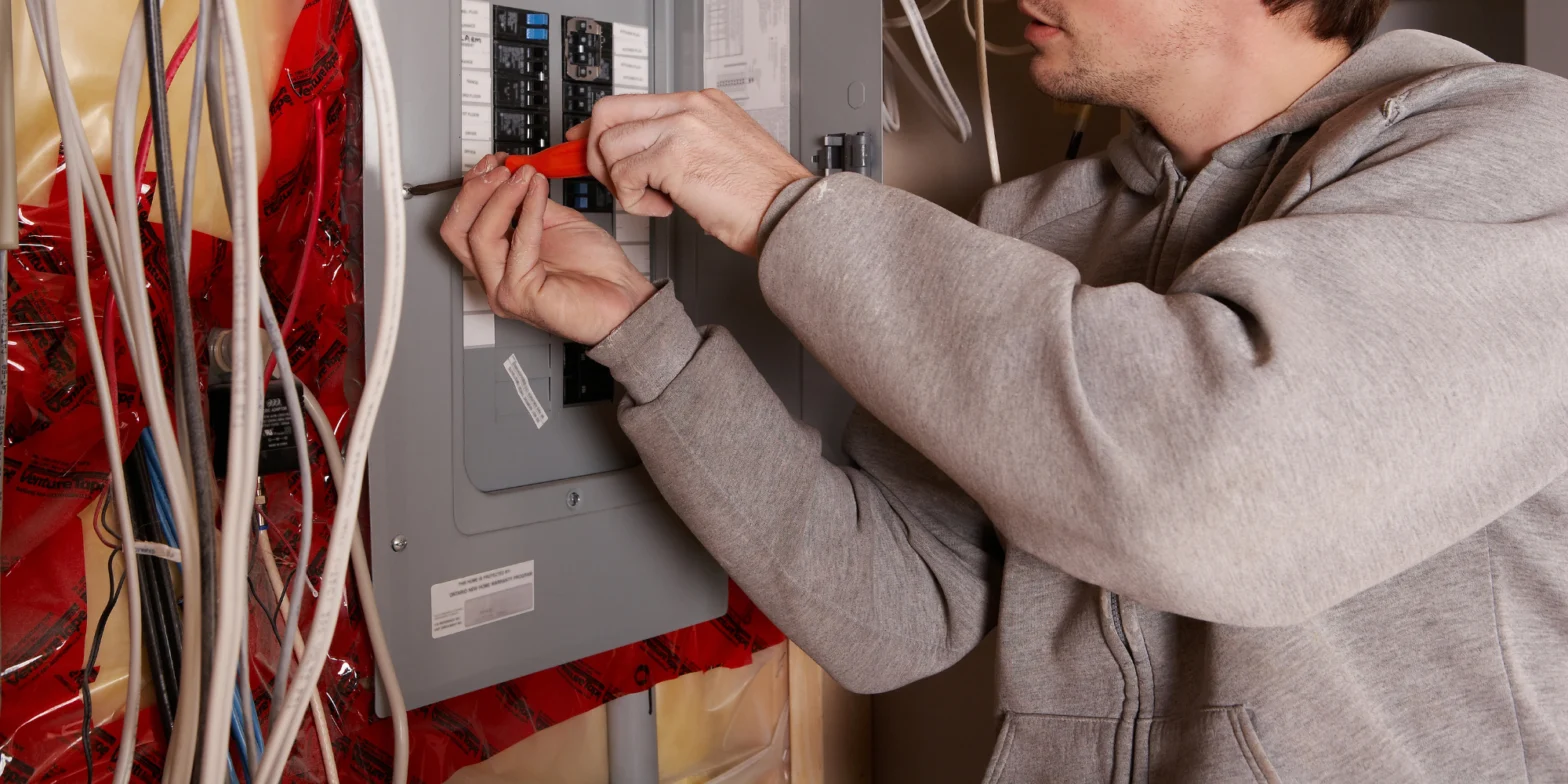
Electricity powers every aspect of modern life — from lighting and kitchen appliances to heating systems and entertainment devices. At the heart of every home’s electrical system is the electrical panel, also known as a breaker box or load center. This essential component distributes electrical power throughout your home and protects your circuits from overload. However, electrical panels don’t last forever, and outdated or insufficient panels can undermine your home’s safety and functionality. Recognizing when it’s time to upgrade your electrical panel is critical for maintaining a reliable and secure electrical system.
Understanding the signs that an electrical panel needs upgrading can help homeowners avoid inconvenient outages, damaged electronics, and even safety hazards such as electrical fires. While some signs are obvious and easily noticeable, others may be subtle or mistaken for general electrical quirks. In this article, we break down the most common indicators that your electrical panel is due for an upgrade and explain the reasons behind them. Whether you’re planning home renovations or simply want to ensure your family’s safety, knowing what to look for will empower you to make informed decisions.
What an Electrical Panel Does
An electrical panel is the central distribution point for electrical circuits in your home. When power enters your home from the utility company, it travels to the panel, where it’s divided into individual circuits that serve outlets, switches, appliances, and lighting. The panel also houses circuit breakers, which are safety devices that shut off power to a circuit when it becomes overloaded.
Modern electrical panels are designed to handle the electrical demands of contemporary homes. They regulate the flow of current and protect wiring from overheating. If your panel is outdated or undersized, it may struggle to support newer appliances and high-demand devices, leading to nuisance tripping or more serious electrical issues. For trusted professional evaluation and service, it’s always best to contact a licensed electrician such as Great North Electrician to assess the capacity and condition of your electrical system.
Age and Obsolete Panel Types
Electrical panels don’t last forever, and age alone can make replacement a prudent choice. Most electrical panels have a serviceable life of about 20 to 30 years. Over time, wear and tear, corrosion, dust accumulation, and heat exposure can degrade components and compromise safety. If your panel is more than two decades old, it’s worth having it inspected by a professional to evaluate its condition.
Certain panel brands and models have garnered a reputation for unreliability or inherent defects. For example, some older panels used fuse systems instead of circuit breakers or were manufactured by companies that are no longer in business. These obsolete systems may be difficult to service and lack modern safety features. Upgrading to a contemporary panel with modern breakers improves both performance and safety.
Renovations and Electrical Additions
Home renovations often increase the electrical load in specific areas. Adding a kitchen island with multiple outlets, installing a new HVAC system, or finishing a basement can all demand more power than your existing panel was designed to handle. Electrical additions should always be planned with the panel’s capacity in mind.
When undertaking upgrades or expansions, many homeowners discover that their current panel doesn’t have enough available slots for new circuits. A lack of free breaker spaces is a clear sign that your panel may no longer meet your home’s needs. In such cases, upgrading to a larger panel with more circuits may be necessary to safely support additional electrical load.
Safety Risks of an Underpowered Panel
An electrical panel that cannot meet your home’s demand poses several risks. The most serious of these is the heightened potential for electrical fires. Overloaded circuits generate excessive heat, which can damage wiring insulation and cause arcing — a leading cause of residential electrical fires. Furthermore, outdated panels may lack modern safety devices like arc-fault circuit interrupters (AFCIs) and ground-fault circuit interrupters (GFCIs), which protect against specific types of faults.
Underpowered panels also contribute to the wear and tear on appliances and electronics. Voltage fluctuations and intermittent power can shorten the lifespan of sensitive equipment. While flickering lights may seem like a minor annoyance, they are symptomatic of deeper electrical inconsistencies that should not be ignored.
Signs of Physical Wear and Damage
Visual inspection of your electrical panel can reveal telltale signs of problems. Rust or corrosion on the panel exterior or breakers can indicate moisture intrusion, which is dangerous in combination with electrical components. Burn marks, melted insulation, or a scorched smell near the panel are serious red flags that require immediate attention.
Loose or overheating breakers can become discolored or warped over time. Excessive buzzing or humming noises from the panel area are also concerning, as they may point to loose connections or overloaded circuits. Any of these physical signs should prompt a professional evaluation.
Common Indicators Your Panel Is Overloaded
One of the most obvious signs that your electrical panel may need an upgrade is frequent breaker tripping. Circuit breakers are designed to interrupt power when a circuit becomes overloaded, but repeated tripping suggests that your home is drawing more power than the panel can safely supply.
Another warning sign is flickering or dimming lights, especially when large appliances like air conditioners or washers run. This can indicate that the panel can’t handle the load or that there’s an issue with the panel’s internal connections. You might also notice outlets that don’t work at all or that feel warm to the touch — both of which are indications of electrical stress.
Older homes with 60-amp or 100-amp panels typically can’t support the demands of modern electrical usage, which commonly requires 150 amps or more. If you’ve added new appliances, home entertainment systems, or other power-intensive equipment over the years, the cumulative demand can quickly exceed the original panel’s capability. Homeowners who experience these issues frequently should consider consulting a qualified electrical contractor like Trusted Electrician to determine whether a panel upgrade is needed.
Upgrading for Modern Electrical Standards
Electrical standards evolve over time as safety knowledge and technology improve. Newer electrical panels incorporate advanced features such as better fault detection, improved breaker design, and enhanced grounding systems. Upgrading your panel brings your home up to current code requirements, which is particularly important if you plan to sell your home. Many homebuyers and inspectors view an outdated electrical panel as a liability, potentially affecting the market value of your property.
Additionally, upgrading to a higher amperage panel can provide the capacity needed for modern conveniences such as electric vehicle (EV) chargers, home offices, smart home systems, and high-powered kitchen appliances. As homes become increasingly electrified, ensuring your panel can meet current and future demand is a smart investment.
The Professional Evaluation Process
Determining whether your electrical panel needs an upgrade is not always straightforward. While homeowners can recognize certain symptoms, a licensed electrician has the training and diagnostic tools to thoroughly evaluate the electrical system. During an inspection, the electrician will assess the panel’s age, capacity, breaker condition, wiring integrity, grounding, and overall safety compliance.
A professional electrician will also measure the electrical load and calculate whether your current panel can handle your household’s needs. This evaluation often includes checking for proper breaker sizing, neutral and ground connections, and signs of overheating. Based on these findings, the electrician can recommend whether an upgrade is advisable and what size and type of panel would best serve your home’s electrical demands.
When choosing an electrician, look for professionals with proper licensing, insurance, and experience with panel upgrades. Reliable service providers ensure that upgrades are completed safely and in compliance with local codes, giving you peace of mind and long-term performance.
Conclusion
Recognizing when it’s time to upgrade your electrical panel can protect your home from unexpected outages, equipment damage, and serious safety hazards. Frequent breaker tripping, flickering lights, an old panel, added electrical load from renovations, and physical signs of wear are all strong indicators that your electrical system should be evaluated by a professional. Upgrading to a modern panel not only improves safety but also enhances your home’s capacity to meet today’s electrical demands.
A licensed electrician plays a crucial role in assessing your electrical panel and recommending the right solution tailored to your home. By staying informed about your electrical system’s condition and addressing issues promptly, you help safeguard your property and ensure reliable power for years to come.