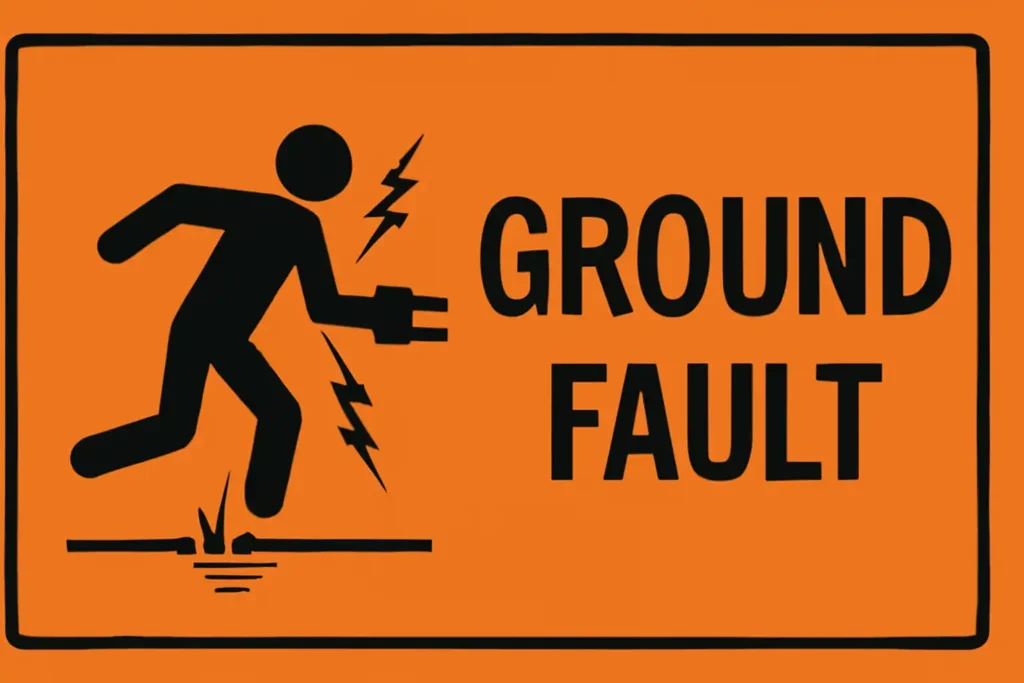
Electrical systems are the backbone of modern homes, powering everything from lighting and appliances to entertainment and home automation. While electricity provides convenience and efficiency, it also carries inherent risks. One such risk is a ground fault, which occurs when electrical current strays from its intended path and travels directly to the ground. Ground faults can damage wiring, pose serious safety hazards, and even lead to electrical fires if not properly managed.
Ground faults are different from simple overloads or short circuits. They occur when electricity escapes the intended conductive path, often through damaged insulation, exposed wires, or faulty appliances. This stray current seeks the shortest route to the ground, potentially passing through walls, floors, or even a person in contact with the affected device. Understanding ground faults and their impact is essential for homeowners and underscores the importance of professional electrical inspection and maintenance.
Understanding Ground Faults
A ground fault happens when a hot wire comes into contact with a grounded surface or conductor. While the circuit is designed to allow current to flow through a controlled path, any deviation can create a ground fault. These faults are particularly dangerous because they may not immediately trip a breaker or blow a fuse, allowing electricity to continue flowing through unintended paths.
Ground faults are common in areas with moisture or high usage, such as kitchens, bathrooms, basements, and outdoor installations. They are a leading cause of electrical shocks and contribute significantly to electrical system failures. Recognizing the potential for ground faults is the first step in preventing property damage and personal injury.
Common Causes of Ground Faults
Several factors can lead to ground faults in a residential electrical system. Damaged or frayed wiring, worn insulation, and improperly grounded outlets are frequent contributors. Appliances with faulty internal wiring or exposed metal parts can also create a ground fault. Additionally, water intrusion near electrical components, such as in kitchens, bathrooms, or outdoor outlets, increases the risk of faults.
Identifying these causes requires a detailed understanding of home electrical systems and careful inspection. Ground faults may remain hidden until a serious incident occurs, emphasizing the need for professional evaluation and preventive measures.
The Risks Associated With Ground Faults
Ground faults can have serious consequences for both property and personal safety. When electricity flows through unintended paths, it can cause overheating in wires, damage to appliances, or even sparks that ignite flammable materials. In some cases, ground faults may result in electrical shocks to individuals who come into contact with affected surfaces.
In older homes or those with outdated wiring, the likelihood of ground faults increases due to aging insulation and worn connections. These risks highlight the importance of understanding and addressing ground faults promptly to maintain a safe and functional electrical system.
Detection and Diagnosis
Detecting ground faults often requires specialized equipment and expertise. Electricians use tools such as ground fault circuit interrupters (GFCIs), multimeters, and insulation testers to identify faults and measure current flow. Thermal imaging cameras can also help locate hotspots or areas where stray current is present.
Professional electricians follow a systematic process to pinpoint the source of a ground fault, inspecting outlets, wiring, appliances, and panels. Homeowners seeking guidance often rely on trusted providers such as Edison Electric, Inc. to ensure accurate detection and diagnosis. Early detection prevents damage and reduces the risk of shock or fire.
Ground Fault Circuit Interrupters (GFCIs)
One of the most important safety devices against ground faults is the GFCI outlet. GFCIs monitor the flow of electricity and instantly cut power when a difference in current is detected between the hot and neutral wires. This rapid response prevents electricity from passing through unintended paths, effectively reducing the risk of shock.
GFCIs are particularly crucial in wet areas where the risk of current flowing through water or conductive surfaces is higher. While GFCIs are a key component in managing ground faults, they are most effective when installed correctly and maintained by licensed professionals.
What Is a Ground Fault and How Does It Affect Your Home?
Ground faults affect residential electrical systems in several ways. They can damage wiring insulation, degrade outlets, and compromise the functionality of appliances and devices. In severe cases, they can create conditions that may lead to electrical fires or severe shocks to occupants.
Electricians address ground faults by identifying the affected areas, repairing damaged wiring, and ensuring that circuits are properly grounded. Comprehensive evaluation of the home’s electrical system helps prevent recurring faults and ensures compliance with safety standards. Professional services, including residential electrical wiring, provide expertise in correcting faults and safeguarding the property against further risk.
Long-Term Maintenance and Monitoring
Preventing ground faults and mitigating their effects requires ongoing maintenance and monitoring. Regular inspections by licensed electricians ensure that wiring, outlets, and appliances remain in good condition. Monitoring the electrical system for signs of degradation, overheating, or unusual behavior helps prevent faults before they escalate.
Professional electricians can also provide recommendations for upgrades or improvements to older wiring systems. Ensuring that the home’s electrical infrastructure is up-to-date and compliant with current codes reduces the likelihood of ground faults and enhances overall safety.
Conclusion
Ground faults represent a serious safety concern for homeowners, affecting wiring, appliances, and even personal safety. Understanding their causes, risks, and detection methods is essential for maintaining a safe electrical system. Proper evaluation and intervention by professionals prevent property damage and reduce the likelihood of accidents.
Licensed services offer expertise in diagnosing and repairing ground faults. Their work ensures that homes remain safe, functional, and compliant with modern electrical standards, providing peace of mind for homeowners and occupants.