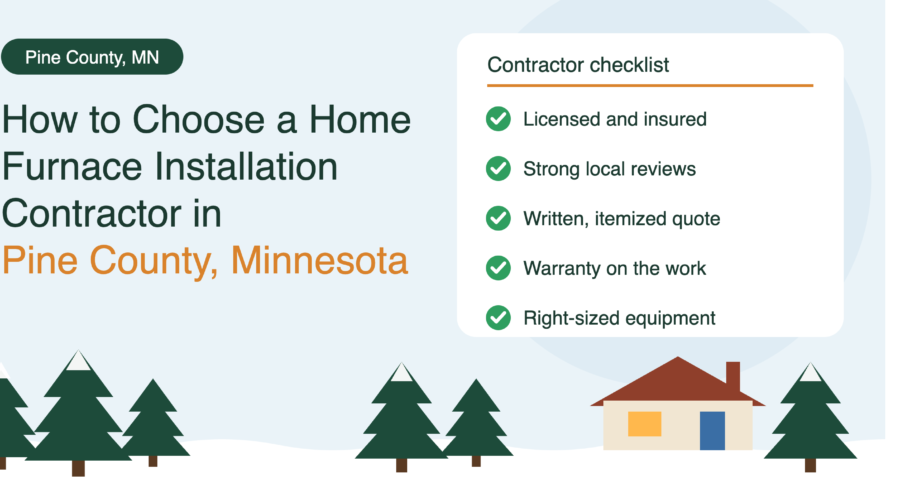
Choosing a new furnace is a significant investment, especially in a part of Minnesota where winter temperatures can put a home’s heating system to the test. Whether an existing unit is nearing the end of its life or a homeowner is planning a renovation, the contractor handling the installation can make a real difference in long-term comfort, energy use, and reliability.
It can be tempting to choose the lowest quote and get the project over with. However, the price alone does not tell you whether a contractor will recommend the right equipment, complete the installation properly, or explain how to maintain the system afterward. Homeowners in Pine City, Rush City, and surrounding communities can make a more confident decision by comparing a few important factors before signing a contract.
Look for Relevant Experience and Proper Credentials
Furnace installation involves more than removing an old unit and connecting a new one. The contractor needs to consider the home’s heating requirements, existing ductwork, venting, fuel supply, electrical connections, and applicable building codes.
Start by asking how much experience the company has installing the type of furnace you are considering. If your home has an older heating system or unusual layout, ask whether the contractor has worked on similar properties.
It is also worth checking the company’s licensing, insurance, and any credentials required for the work in Minnesota. Ask who will perform the installation and whether the people doing the work have the appropriate qualifications. A reputable contractor should be comfortable explaining these details rather than treating them as an inconvenience.
Local experience can be useful, too. Contractors familiar with homes in Pine County may have encountered a variety of property layouts, insulation levels, and heating challenges. That familiarity can help them ask better questions and identify practical concerns before the work begins.
Make Sure the Contractor Evaluates Your Home
One of the biggest mistakes homeowners can make is assuming that a larger furnace will automatically heat a house better. An oversized unit can cycle on and off too frequently, potentially affecting comfort, efficiency, and equipment wear. A furnace that is too small may struggle to maintain comfortable temperatures during the coldest weather.
A good contractor should evaluate the home before recommending a replacement. That assessment may include the home’s square footage, insulation, windows, ceiling height, air leakage, and existing heating distribution.
Ask whether the contractor will perform a proper heating-load calculation rather than relying solely on the size of the old furnace. The replacement should be selected based on the home’s actual heating needs, not simply on what was installed previously.
You should also discuss uneven temperatures between rooms. If some areas of the house are always colder than others, the contractor may need to assess the ductwork, airflow, insulation, or other factors as part of the project.
These conversations help ensure that the proposed solution addresses the home’s comfort issues instead of simply replacing one piece of equipment with another.
Compare Written Estimates, Not Just Prices
Getting estimates from more than one qualified contractor can help you understand the available options and identify unusual differences in pricing. However, the cheapest proposal is not necessarily the best value.
Ask each contractor to provide a written estimate that clearly explains what is included. Ideally, it should identify the proposed equipment, installation labor, necessary modifications, removal of the old furnace, permits where applicable, and any additional charges that could arise.
Pay attention to the details. One estimate may include ductwork adjustments or venting improvements, while another may assume that the existing setup can be reused without changes. Those differences can make the prices difficult to compare unless you understand the scope of each job.
It is also reasonable to ask about payment schedules, the process for approving additional work, and whether the quoted amount could change if unexpected problems are discovered.
A contractor who explains the estimate clearly gives you a better basis for deciding what fits your budget. You should know what you are paying for before installation begins.
Discuss Efficiency and Long-Term Operating Costs
A furnace’s purchase price is only part of the overall cost of ownership. The equipment’s efficiency, your home’s insulation, local fuel prices, and heating habits all influence how much you spend to keep the house comfortable.
Ask the contractor to explain the efficiency ratings of the systems being considered and how the available options differ. A higher-efficiency model may reduce fuel consumption under suitable conditions, but the potential savings depend on the home and the equipment being replaced.
It is also worth asking about features that affect everyday comfort, such as variable-speed blowers, staged heating, thermostat compatibility, and noise levels. Not every household needs every feature, so the goal is to understand which upgrades offer practical benefits for your situation.
For example, a homeowner planning to stay in the same house for many years may weigh operating costs differently from someone preparing to sell in the near future. A useful recommendation should reflect those priorities instead of assuming that the most expensive model is always the right choice.
Check Reviews and Ask About Previous Work
Online reviews can help you understand how a contractor communicates, handles scheduling, and responds when customers have questions. Look for patterns across multiple reviews rather than focusing on one unusually positive or negative comment.
Pay particular attention to comments about installation quality, punctuality, cleanup, and how well the company explains its recommendations. If several customers mention the same issue, it may be worth asking the contractor about it directly.
You can also ask whether the company has examples of similar installations or references from customers who are willing to share their experience. A contractor should be able to describe the kind of work it performs and explain how it approaches a typical project.
For homeowners comparing local options, True North Heating and Air is one company serving Pine City and the surrounding area. As with any contractor, review the available service information, ask questions about the proposed installation, and compare its estimate with other qualified providers before making a decision.
Ask About Warranties and Post-Installation Support
A furnace installation does not end when the technician finishes connecting the equipment. Homeowners also need to understand how the system should be operated, what maintenance it requires, and where to turn if something goes wrong.
Before choosing a contractor, ask about the manufacturer’s equipment warranty and whether the company provides a separate labor or workmanship warranty. These are not necessarily the same thing, and their coverage periods and conditions may differ.
Find out whether you need to register the furnace to receive the full manufacturer’s warranty. Ask what maintenance is recommended and whether skipping required maintenance could affect coverage.
After installation, the contractor should explain the thermostat settings, filter requirements, and basic operating instructions. You should also know how to recognize a problem and whom to contact if the system stops heating.
It is helpful to ask about follow-up inspections or maintenance appointments, too. Regular professional care can identify developing issues and help keep the system operating as intended.
Consider Emergency Heating Support Before You Need It
In Minnesota, a heating problem in January is more than an inconvenience. If a furnace fails during a prolonged cold spell, the indoor temperature can fall quickly, particularly in a poorly insulated home.
When comparing contractors, ask whether they offer emergency heating repair, what their service hours are, and whether they cover your specific community. Do not assume that every company offering installation also provides after-hours repairs.
It can be useful to identify a service provider before an urgent situation develops. For example, homeowners can review the available heating services from True North Heating and Air to learn more about its heating-related offerings and determine whether they suit their needs.
When discussing emergency support with any contractor, confirm current availability, response expectations, and any additional charges for after-hours calls. Having this information ahead of time makes it easier to know what to do if the furnace stops working during extreme weather.
Watch for Signs of a Contractor You Should Avoid
Most homeowners are not furnace installation experts, so they rely on the contractor to provide accurate information and explain the available choices. That makes clear communication particularly important.
Be cautious if someone insists on replacing your furnace without assessing the home or explaining why the existing equipment cannot reasonably be repaired. Similarly, a contractor who refuses to provide a written estimate, pressures you into signing immediately, or cannot explain the proposed work deserves closer scrutiny.
Unusually low bids also warrant questions. The price may exclude necessary components, permits, labor, or other work that will appear later as additional charges.
Another warning sign is a reluctance to discuss warranty coverage, qualifications, or the installation process. You should not have to guess what work will be performed or what happens if a problem develops afterward.
A dependable contractor should be willing to answer reasonable questions and give you enough information to make an informed decision.
Make the Decision Based on Value and Confidence
Finding the right furnace installation contractor in Pine County comes down to more than comparing prices. Look for a company that evaluates your home properly, recommends appropriately sized equipment, provides a clear written estimate, and explains its warranty and support policies.
Take time to compare your options, check references, and ask questions about anything you do not understand. Whether you live in Pine City, Rush City, or a nearby Minnesota community, choosing a qualified professional can help you avoid preventable problems and get more value from your heating investment.
A well-planned installation should leave you with more than a new furnace. It should give you confidence that your home is equipped to handle the next Minnesota winter, with a heating system selected for your needs and a contractor you can contact when questions arise.