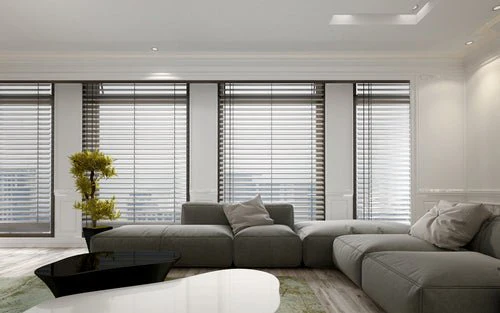
Blinds are one of the most versatile window treatments available, offering an ideal combination of style, privacy, and light control. However, choosing the best blinds isn’t simply about selecting a color or material. Every room in your home has different needs, from managing natural light to maintaining privacy and withstanding moisture or daily wear.
By understanding how each space is used, homeowners can select blinds that improve both functionality and aesthetics. Rather than installing the same style throughout the house, choosing blinds based on each room’s purpose often delivers better long-term results.
Living Room: Balance Style and Function
The living room is often the center of daily life, making it important to choose blinds that provide flexibility throughout the day.
Look for options that:
- Allow adjustable natural light
- Reduce glare on televisions and devices
- Provide daytime privacy
- Complement your furniture and décor
Wood blinds, faux wood blinds, and roller shades are all excellent choices for living rooms because they offer clean lines and easy light control while fitting a variety of interior styles.
Bedroom: Prioritize Privacy and Comfort
Bedrooms require greater control over light than almost any other room.
Blinds for bedrooms should provide:
- Excellent privacy
- Room-darkening capabilities
- Easy operation
- Comfortable sleeping conditions
Many homeowners combine blinds with curtains for added insulation and improved light blocking, creating a more restful environment throughout the year.
Kitchen: Choose Durable Materials
Kitchen windows are exposed to humidity, cooking odors, grease, and frequent cleaning.
The best blinds for kitchens are made from materials that resist moisture and are easy to maintain, including:
- Faux wood blinds
- Aluminum blinds
- Vinyl blinds
- Roller shades
These materials hold up well in busy environments while maintaining their appearance over time.
Bathroom: Moisture Resistance Matters
Bathrooms require window treatments that can withstand high humidity while providing complete privacy.
Good options include:
- Faux wood blinds
- Vinyl blinds
- Moisture-resistant roller shades
These products resist warping and moisture damage while allowing homeowners to manage natural light effectively.
Home Office: Reduce Screen Glare
A productive workspace depends on comfortable lighting.
Blinds in a home office should:
- Reduce glare on computer screens
- Allow adjustable daylight
- Maintain privacy during meetings
- Create a comfortable work environment
Horizontal blinds work particularly well because they allow precise adjustment throughout the day as sunlight changes.
Dining Room: Complement Your Interior Design
Dining rooms typically don’t require blackout capabilities or maximum privacy, allowing homeowners to place greater emphasis on aesthetics.
Popular blind styles include:
- Wood blinds
- Roman shades
- Woven wood shades
- Roller shades
Choosing colors and finishes that coordinate with nearby living spaces helps create a cohesive appearance throughout the home.
Children’s Rooms: Safety Comes First
When selecting blinds for children’s bedrooms or playrooms, safety should always be a top priority.
Look for features such as:
- Cordless operation
- Durable materials
- Easy-to-clean finishes
- Smooth, reliable operation
Cordless systems create a safer environment while also providing a cleaner, more modern appearance.
Large Windows Require Practical Solutions
Large windows bring beautiful natural light into a home but often require blinds that remain easy to operate.
Suitable options include:
- Vertical blinds
- Wide roller shades
- Panel track systems
- Motorized blinds
These solutions help maintain privacy and light control without overwhelming the room’s design.
Many homeowners researching roller shades appreciate their sleek appearance, versatile fabric choices, and ability to complement both contemporary and traditional interiors.
Match Blinds to Your Lifestyle
The best blinds aren’t simply those that look attractive—they should also suit your daily routine.
Consider questions such as:
- How much natural light does the room receive?
- Do you need complete privacy?
- Is moisture a concern?
- Will children or pets use the room?
- How often will the blinds be adjusted?
Answering these questions helps narrow your options while ensuring the blinds perform well over time.
The Value of Professional Measurements
Even high-quality blinds can look unfinished if they don’t fit correctly.
Accurate measurements provide:
- Better light control
- Improved insulation
- Enhanced privacy
- Smooth operation
- A cleaner overall appearance
A properly fitted blind creates a polished finish that enhances both the function and style of every room.
Homeowners looking for solutions tailored to their home’s unique layout often choose custom blinds because they provide a precise fit, greater design flexibility, and long-lasting performance.
Choosing the best blinds for every room involves balancing functionality, comfort, and style. Bedrooms benefit from greater light control, kitchens require durable materials, bathrooms demand moisture resistance, and living spaces often call for flexible privacy and natural light management.
By selecting blinds that match each room’s purpose while maintaining a consistent design throughout the home, homeowners can create spaces that are comfortable, attractive, and practical for years to come.